Tag: mindfulness

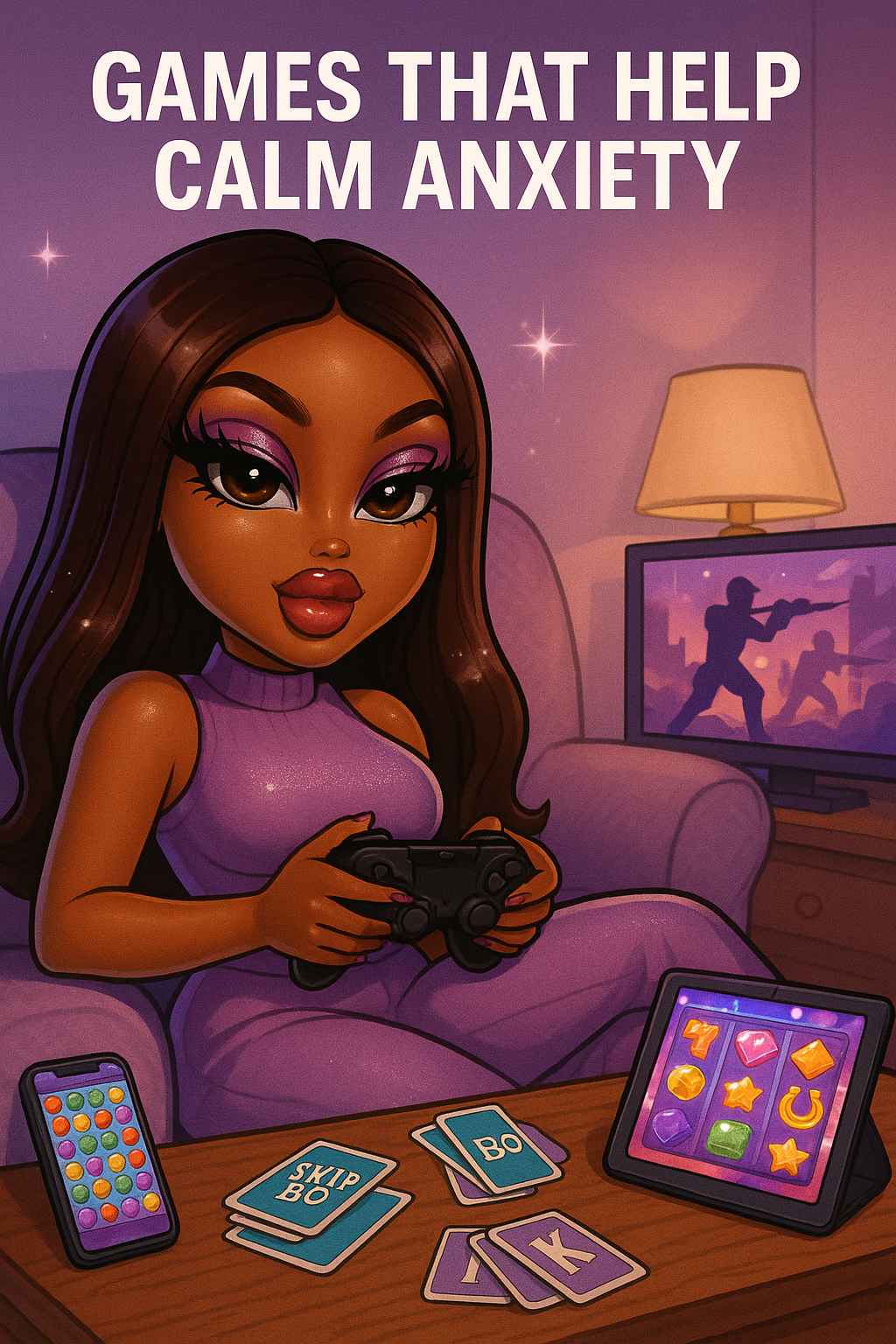
  • Games That Help Calm Anxiety

    Games That Help Calm Anxiety

    Trigger Warning: Anxiety, panic symptoms, coping strategies

    Disclaimer: This blog is based on personal experience only and is not medical advice.

    Let’s be honest for a second…
    When anxiety hits, sometimes all that “take a walk,” “drink some water,” “do deep breathing” advice feels like someone handing you a Band-Aid for a gunshot wound.

    Sometimes, your brain needs DISTRACTION.
    Something to grab your attention so hard that it pulls you out of your thoughts.

    And one of the BEST distractions?
    Games.

    Yes real games.
    Phone games.
    Console games.
    Casino sweepstake games.
    Puzzle games.
    All of it.

    If you’ve ever opened Candy Crush during a panic moment, you KNOW exactly what I’m talking about.

    So let’s break this down and be real about how different types of games help anxiety, because they DO.


    Console Games That Calm Anxiety

    People think console games are “too intense” for anxiety…
    Girl, please.

    Sometimes you need something fast, loud, and full of action just to drown out the chaos in your mind.

    Here are the top ones that ACTUALLY help:


    1. Call of Duty (COD)

    YES, I said it.
    COD is therapy chaotic therapy, but STILL therapy.

    Here’s why it helps:

    • Your brain has one objective at a time (focus → distraction)
    • Fast-paced gameplay pulls you OUT of your anxiety spiral
    • You don’t have time to overthink when you’re reloading every 3 seconds
    • Playing with friends = instant connection + laughter
    • It gives your brain a break from “what-if thoughts”

    Sometimes you need the sound of a virtual gunfight to drown out the sound of your own intrusive thoughts.
    And listen… it WORKS.


    2. PUBG

    PUBG calming anxiety?
    ABSOLUTELY.

    This game gives:

    • exploration
    • teamwork
    • strategy
    • adrenaline that’s fun, not scary
    • moments where you forget your body was panicking 5 minutes ago

    There’s something about looting a building and minding your business before getting sniped out of nowhere — anxiety goes “??? we were panicking, but now we’re BUSY.”

    PUBG gives your brain a job.
    Sometimes that’s all you need.


    Mobile Games That Calm Anxiety

    Mobile games are the GOAT for anxiety because:

    ✔ you can play them anywhere
    ✔ they’re low-pressure
    ✔ they give your brain a pattern to follow
    ✔ they interrupt spirals
    ✔ they’re comforting

    These are PERFECT for:

    • waiting rooms
    • about-to-panic moments
    • random anxiety spikes
    • nighttime anxiety
    • overthinking spells

    1. Candy Crush

    The official anxiety girl starter pack.
    Match three colors → your brain shuts up for a second.

    The repetitive motion + bright colors + quick wins =
    grounding.

    You get to focus on:

    • matching
    • clearing
    • beating the level
    • winning again

    It’s simple.
    Predictable.
    Comforting.
    And that’s EXACTLY why it works.


    2. Skip-Bo (Mobile Version)

    This one is SO slept on.

    Skip-Bo helps because:

    • it’s strategic but not stressful
    • it gives your brain something else to solve
    • it satisfies the need for order
    • it’s calming, not chaotic

    Plus, cards + anxiety = weirdly soothing.


    Sweeps & Casino-Style Games for Anxiety

    Okay… don’t act brand new.
    You KNOW these games pull you in when your anxiety is loud.

    They’re not for everyone —
    and if gambling triggers you, SKIP this section.

    But for a LOT of anxious people, these apps help because:

    • they give your brain quick visual stimulation
    • the “spin → win → spin again” rhythm is grounding
    • it distracts the mind FAST
    • no real-world danger
    • bright colors = dopamine
    • mini moments of excitement replace fear cycles

    Here are the ones you mentioned:


    1. Cool Spins

    Calming, colorful, and distracting enough to pull you out of your head.

    The spinning motion + anticipation breaks the anxiety loop and shifts your focus OUTWARD instead of inward.


    2. Crown Coins Royal

    This one hits the dopamine button quick.

    It’s:

    • visually satisfying
    • repetitive (which is calming)
    • mentally distracting
    • low-stress
    • immersive

    When anxiety gives you weird sensations — Crown Coins gives your brain something else to focus on.


    Why Games Work for Anxiety (The Science Made Simple)

    Games help because they:

    Break the overthinking cycle
    Your brain cannot panic + focus deeply at the same time.

    Give your mind something predictable
    Patterns, puzzles, missions = stability.

    Release dopamine
    Small wins = your brain feels GOOD.

    Pull attention away from bodily symptoms
    Chest flutter?
    Focus on matching colors.
    Head pressure?
    Focus on looting.
    Spiral thoughts?
    Focus on beating the level.

    Provide escape (good escape)
    Your brain gets a break from being “on alert.”

    Create a sense of control
    In the game, YOU decide the moves.
    In anxiety? Your body thinks it’s in danger.

    Games give power back to you, even if it’s small.


    🎯 Final Thoughts

    Listen coping with anxiety is a full-time job.
    Sometimes grounding works.
    Sometimes deep breathing works.
    And sometimes?

    You need to open Candy Crush and mind your OWN business until your nervous system chills out.

    There’s no “wrong” way to cope.

    Games give anxious brains a safe escape, a sense of control, and just enough distraction to get through the moment.

    And if a round of COD, a few spins on Cool Spins, or a Skip-Bo match helps you survive the day?

    Then guess what…

    IT. WORKS.

    💜 No shame.
    💜 No guilt.
    💜 No judgment.

    Just relief even if it’s temporary.
  • 4 Simple Shifts That Make Stress Easier to Handle

    4 Simple Shifts That Make Stress Easier to Handle

    Trigger Warning: This post talks about stress and anxiety. Please read with care if these topics are sensitive for you.

    Disclaimer: I’m not a therapist or doctor. This blog is based on research and my own experience living with anxiety. Always seek professional guidance if stress is overwhelming or affecting your daily life.

    Stress used to feel like it owned me. I’d wake up already tense, carry every “what if” in my chest, and by the end of the day, my body felt like I’d been through a battle.

    One thing I’ve learned on my anxiety journey is that stress isn’t always avoidable but how we respond to it can change. When I stopped trying to control every trigger and instead made small, intentional shifts, life started to feel more manageable.

    Here are four simple shifts that make stress easier to handle ones backed by research, but also tested in the messy reality of my life as a mom, partner, and woman living with anxiety.


    1. Shift From “Everything Is Urgent” → “One Thing At a Time”

    When stress hits, it feels like the world is demanding everything at once. My brain used to scream: “Answer this now, fix that now, don’t drop the ball!”

    📖 Personal Story: I’d try to fold laundry, answer an email, cook dinner, and manage my kids’ questions all at once. Instead of feeling productive, I ended up more frazzled.

    🔎 Fact: Multitasking actually increases stress and decreases efficiency. Studies show our brains can only focus effectively on one task at a time trying to juggle too many increases anxiety and mental fatigue【American Psychological Association†source】.

    Simple Shift: Pause and ask yourself: “What’s the next right thing?” Then do just that. It shrinks the overwhelm.


    2. Shift From “I Have No Control” → “I Can Control Small Things”

    Stress often comes from feeling powerless. For me, it was bills, deadlines, and health fears all things I couldn’t completely control.

    📖 Personal Story: When I had a scary health anxiety spiral, I realized I couldn’t control every sensation in my body. But I could drink water, do grounding breaths, and step outside. That small control helped me feel less trapped.

    🔎 Fact: Research shows that focusing on controllable actions (like routines, breathing, or exercise) reduces stress hormones and builds resilience【Mayo Clinic†source】.

    Simple Shift: Make a list of 3 things you can control right now. Example: “I can drink water, text a friend, and turn off notifications.” Then do one.


    3. Shift From “Ignore the Body” → “Listen to the Body”

    Stress isn’t just in the mind it shows up in our muscles, heartbeat, and stomach. I used to ignore my body until it screamed with headaches or chest tightness.

    📖 Personal Story: One day I noticed my shoulders were up by my ears, my jaw clenched, and my breathing shallow. Instead of pushing through, I dropped everything for a 5-minute stretch and deep breaths. The difference was instant.

    🔎 Fact: The mind-body connection is powerful. Stress hormones trigger physical symptoms (tightness, nausea, fatigue). Practices like deep breathing, yoga, or even short walks reduce cortisol and activate the body’s calming system【Harvard Health Publishing†source】.

    Simple Shift: When stress spikes, ask: “Where is it in my body?” Then relax or stretch that area on purpose.


    4. Shift From “I’m Alone In This” → “I Can Share the Load”

    One of the hardest parts of stress is feeling like you have to carry it all by yourself.

    📖 Personal Story: I used to bottle up my anxiety, thinking I was “too much” or a burden. But the first time I admitted to my husband, “I’m drowning right now,” it opened space for support. Sometimes he helped with chores, sometimes he just listened. Both mattered.

    🔎 Fact: Social connection is proven to lower stress and protect mental health. Talking it out, even with one trusted person, reduces the brain’s stress response【National Institute of Mental Health†source】.

    Simple Shift: Share your stress with someone you trust. Or, if talking isn’t possible, journal it out getting it out of your head reduces its weight.

    Stress won’t vanish from our lives. But when you shift from trying to control the storm to adjusting how you move through it, everything changes.

    💜 You don’t need massive changes just small shifts: one thing at a time, controlling what you can, listening to your body, and letting others in.


    ✨ Call-to-Action

    If you’re ready to practice these shifts in your own life, I’ve created tools inside my Calm Vault a private subscriber-only space filled with anxiety trackers, journal prompts, and self-care worksheets to help you handle stress with more peace.

    👉 Unlock the Calm Vault here

    Because stress is real, but so is your ability to face it with calm. 🌸

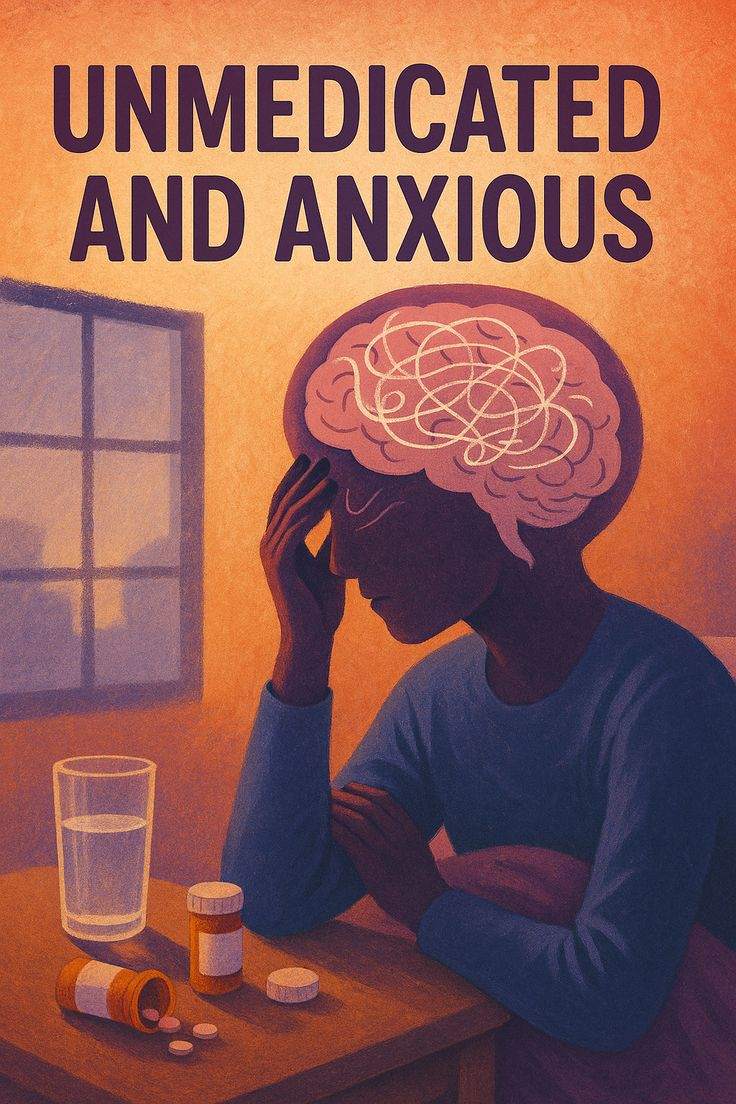
  • Unmedicated but Anxious: My Honest Truth

    Unmedicated but Anxious: My Honest Truth

    Trigger warning: anxiety, panic attacks, medication fear

    Disclaimer: this post is based on personal experience and public research. it is not medical advice. always consult with a healthcare professional before starting or stopping any medication.

    I live with anxiety every single day.
    And I don’t take daily medication.

    Not because I don’t believe in it.
    Not because I’m trying to be some “strong, natural” version of a mom.
    But because I’m scared.

    This is my truth — the in-between space where panic is real, meds are terrifying, and I’m still trying to survive.


    I’ve Tried Medication — It Didn’t Go Well

    This isn’t a story about someone who refused to get help.
    This is a story about someone who tried… and had a hard time.

    I’ve been prescribed:

    • Zoloft – it gave me intense side effects that made me feel worse, not better.
    • Lexapro and Celexa – I didn’t feel like myself. Just emotionally flat and off.
    • Wellbutrin – was suggested to help with quitting smoking, but it left me moody and on edge.
    • Propranolol – helped a bit with physical symptoms like racing heart, but I couldn’t stay on it.

    Now, the only medication I occasionally take is Hydroxyzine — and even then, I cry before I take it.

    Not because I think I’m above medication.
    Because I’m anxious about the very thing that’s supposed to help my anxiety.


    Medication Anxiety Is Real — And I Have It

    There’s a name for what I go through: medication anxiety.

    It’s not uncommon.
    In fact, studies have shown that fear of side effects, fear of becoming dependent, or fear of losing control are among the top reasons people avoid or discontinue anxiety medications — even when they need them.

    One study published in BMJ Open (2018) found that stigma, fear of adverse effects, and distrust in medication were significant barriers to treatment for anxiety and depression.

    And I feel that deeply.
    I want relief — I really do.
    But the idea of putting something in my body that might make things worse? That fear is paralyzing.


    But I’m Not Anti-Medication. Not At All.

    Let me say this loudly:
    There is no shame in taking medication for anxiety.

    Some people take it and feel like they can breathe again for the first time in years.
    Some need it long-term. Others only short-term.
    Some combine it with therapy. Some don’t.

    All of it is valid.

    Just because I’m not on daily meds right now doesn’t mean I won’t try again.
    And it definitely doesn’t mean I think less of anyone who needs them to function.

    I celebrate every mom, every person, who is doing whatever they need to do to feel better — whether that includes medication or not.


    So How Do I Cope Without Daily Meds?

    Honestly? It’s not always pretty.
    Some days I feel like I’m barely hanging on.
    Some days I wish I could fast-forward through the panic, the overthinking, the chest tightness, the spirals.

    But I’ve built my own support system — not perfect, but something.

    What helps me manage for now:

    • Hydroxyzine (only during extreme panic attacks)
    • Grounding exercises and deep breathing
    • Journaling with my Peace Over Panic Journal
    • My “You vs. Anxiety” tracker to monitor symptoms and identify patterns
    • Faith, prayer, and reassurance rituals when fear feels overwhelming
    • Crying it out and not pretending to be okay

    Some days it works. Some days it doesn’t.
    But I keep showing up anyway.


    What I Wish People Understood

    Living with untreated anxiety doesn’t mean I’m irresponsible.
    It means I’m trying to find a way forward that doesn’t scare me even more.

    People say:

    “Just take the pill, it’ll help.”
    “Millions of people are on it — you’ll be fine.”
    “It’s just in your head.”

    But anxiety is in my body, too.
    And trauma around how meds have made me feel in the past is very real.

    So I take it day by day.
    Symptom by symptom.
    And I stay open — because I haven’t given up.


    To Anyone Like Me…

    If you’re scared of medication but also scared of how anxiety is taking over your life — you are not alone.
    If you’ve tried and had bad reactions — you’re not crazy.
    If you’re somewhere in the middle — not fully okay, not fully medicated — I’m with you.

    This isn’t a perfect ending or a cure-all.
    It’s just my truth:
    Unmedicated. Anxious. Still trying. Still hoping. Still fighting.


    💜 What Helps Me Stay Grounded

    I’ve created a space called The Calm Vault — it’s where I keep the free tools, worksheets, and gentle supports that have helped me feel a little less alone on the hard days.
    Inside, you’ll find things like:

    • Printable anxiety check-ins
    • Emotional tracking sheets
    • Journaling prompts
    • Reassurance pages for when you’re spiraling

    All real. All free. All created with love for the overwhelmed medicated and unmedicated.


  • The Guilt That Comes With Anxiety — Especially as a Mom

    The Guilt That Comes With Anxiety — Especially as a Mom

    What if I passed my anxiety down to my child?
    A real story for moms who carry the shame no one sees.

    ⚠️ Trigger Warning & Disclaimer:

    This post speaks honestly about anxiety, panic attacks, and emotional guilt as a mother. If you’re in a fragile space, take a breath and come back when you’re ready.
    I’m not a therapist. I’m just a mom who’s been there — and is still there some days. This is not medical advice. It’s a lived experience.

    💭 The Guilt You Don’t Talk About

    Let’s be honest — motherhood comes with guilt even on a good day.
    But when you’re living with anxiety?

    It hits different.

    You start wondering:

    • “Did they see me panic?”
    • “Am I scaring them without meaning to?”
    • “Are they learning fear from me?”
    • “What if I passed this down?”

    It’s not just guilt. It’s grief.
    Grieving the version of you you wish they had.
    Grieving the calm, steady, carefree mom you want so badly to be — but can’t always reach through the fog of anxiety.


    🧠 When Your Mind is Loud, But You Still Have to Parent

    Anxiety doesn’t wait until you have free time.
    It doesn’t care if your toddler needs help or if your teen needs to talk.

    It shows up in the middle of lunch. During bedtime.
    At the store. On a random Tuesday.

    You try to hold it in — to be strong.
    You fake smiles, push through, and whisper “I’m fine” when you’re not.

    But when your child starts to notice…
    When they look at you with worry in their eyes…
    That’s when the guilt gets loud.


    😞 “Did I Give My Baby This Anxiety?”

    I remember the moment my daughter started showing signs of anxiety.

    She was 11. Then 12. Then 13.
    And it was like watching a younger version of me unravel in real time.

    I panicked inside.
    Not because I judged her — but because I recognized it.

    And suddenly, all the thoughts came rushing in:

    • “She saw too much.”
    • “I failed to protect her from me.”
    • “She inherited this because I was too broken to shield her.”

    Then someone said it out loud:

    “She gets it from you.”

    And I broke.


    🖤 But Here’s What I Know Now…

    Yes — maybe she inherited some of my anxiety.
    But she also inherited my awareness, my emotional vocabulary, and my fight.

    She’s learning how to name her feelings.
    How to breathe through them.
    How to talk about what hurts instead of bottling it up.

    Because I do.

    She’s seen me cry, yes.
    But she’s also seen me recover.
    Seen me ground myself. Seen me fight for peace even when it doesn’t come easy.

    And that… is parenting through anxiety with power.


    💬 The Truth About Guilt and Anxiety as a Mom

    You’re not ruining your kids.
    You are teaching them what real, emotional strength looks like.

    You’re showing them:

    • How to get back up after a panic spiral
    • How to ask for help when it’s hard
    • How to feel deeply without shame
    • How to cope without pretending everything’s perfect

    And that kind of parenting?
    That’s generational healing.

    You are not your guilt.
    You are the bridge between silence and safety for your kids.


    🕊️ Give Yourself Grace Today

    If you’ve been carrying guilt for how your anxiety shows up in motherhood, here’s what I want you to know:

    ✨ You are not a bad mom.
    ✨ You are a mom carrying something heavy — and still showing up with love.
    ✨ You are allowed to struggle. That doesn’t make you weak. It makes you human.


    📥 Free Support for Anxious Moms

    If this post hit home, I made some things just for you:
    💜 Download my FREE anxiety tracker + healing journal here
    📖 Read my full story in Living in the Panic — eBook available now

  • I Didn’t Want to Be Seen — But I Needed to Be Heard

    I Didn’t Want to Be Seen — But I Needed to Be Heard

    There are days where I don’t even recognize myself.

    Not because of how I look, but because of how tightly I’m holding on — to my breath, to my chest, to my thoughts.
    Not screaming.
    Not crying.
    Just trying to survive whatever this is.

    That’s what anxiety feels like sometimes. It’s quiet.
    It doesn’t always show up like a meltdown.
    Sometimes it’s the stillness before it hits.
    Sometimes it’s the way your body curls inward, like it’s trying to keep your soul from slipping out.

    I’ve had moments where I froze in public — chest tightening, ears ringing, heart pounding in a way no one else could hear. And I kept standing there like everything was fine.

    But it wasn’t.

    And here’s the part that hurts —
    I felt ashamed for it.
    Ashamed for having a moment.
    Ashamed that I couldn’t “get it together.”
    Ashamed that I didn’t even know what triggered it.

    But that shame? That’s the lie anxiety tells us.

    You are not weak for freezing.
    You are not dramatic for struggling.
    You are not a burden for needing time, space, or breath.

    You are human.
    And if you’re like me — a mom, a partner, someone who “has to be strong” for everyone else — you might feel like you’re not allowed to fall apart.

    But I’m giving you permission right now:
    You are allowed to not be okay.
    You are allowed to have moments.
    You are allowed to come undone without losing your worth.

    I still have days where I feel like I’m hanging on by a thread.
    But I remind myself: even the thread is holy.
    Even the breath I take between panic and peace is a victory.

    So if no one else told you today —
    You are doing enough.
    You are not alone.
    And you don’t have to explain what your anxiety looks like to anyone.

    Some of the strongest people are the ones silently fighting battles no one sees.

    I see you.
    And you are not invisible here.


    💬 Tell Me…

    What does anxiety look like for you?
    Drop it in the comments — or message me if you need a safe space to talk. You don’t have to carry it alone. 💜

  • What Anxiety Has Stolen From Me — And What I’m Taking Back

    What Anxiety Has Stolen From Me — And What I’m Taking Back

    Trigger Warning: This post discusses anxiety, panic attacks, emotional overwhelm, and personal loss.
    Disclaimer: This post is based on personal experience and is not a substitute for professional medical or mental health advice.


    🖤 The Truth?

    Anxiety has taken so much from me.

    I don’t say that for pity. I say it because it’s real. It’s honest. And if you’re reading this, maybe you feel it too.

    I’ve lost time — so much time — worrying about things that never happened.
    I’ve missed out on joy because I was too focused on what could go wrong.
    I’ve watched moments pass while I was stuck in my head, spiraling.
    I’ve spent nights awake, heart pounding, body buzzing, afraid of sleep itself.
    I’ve said no to plans I really wanted to say yes to — all because anxiety told me I wasn’t safe.


    😔 What It Stole from Me…

    • Sleep: Long nights of checking my pulse, Googling symptoms, trying to breathe through imaginary danger.
    • Peace: My mind never seemed to shut off. Even in silence, it was loud.
    • Confidence: I started questioning everything I felt. Every pain. Every twitch. Every emotion.
    • Moments with My Kids: I was there, but I wasn’t. I was trapped in a storm while smiling through it.
    • Joy: Even on good days, anxiety made me suspicious of the peace. Like I wasn’t allowed to feel okay for too long.

    It took my presence. It made me feel broken.
    It made me think I’d always be like this.


    💪 But Here’s What I’m Taking Back:

    I’m taking back my power.
    I’m reclaiming my voice.
    I’m choosing to track it, name it, and still live through it.

    No, I’m not magically cured.
    No, I don’t always feel brave.
    But I’ve learned to face it with softness and fight it with truth.

    I breathe when it tells me to panic.
    I speak out loud when it makes me feel crazy.
    I show up for myself, even if it’s messy and tired and trembling.

    And I’ve started to feel little pieces of myself come back.


    🌱 Reclaiming My Life Looks Like:

    • Writing these words. Sharing what I’ve lived.
    • Making tools for others who feel like I do.
    • Taking deep breaths that don’t feel forced.
    • Laughing with my kids and actually feeling it.
    • Saying, “I had a hard day,” without shame.
    • Letting joy in — and letting it stay a while.

    I might not be who I was before anxiety. But I’m building someone even stronger.

    Someone real. Someone healing.


    🖤 If You’ve Lost Yourself to Anxiety Too…

    I see you. I AM you.

    And I want you to know: it’s not too late to get pieces of you back.
    Even if it’s slow. Even if it’s one breath at a time.

    You’re not weak. You’re surviving a war no one else sees.

    And you are worth every moment of peace you’re trying to find.


  • Supporting Loved Ones with Anxiety: What to Say and Avoid

    Supporting Loved Ones with Anxiety: What to Say and Avoid

    A Guide for Family and Friends Who Want to Support Without Hurting

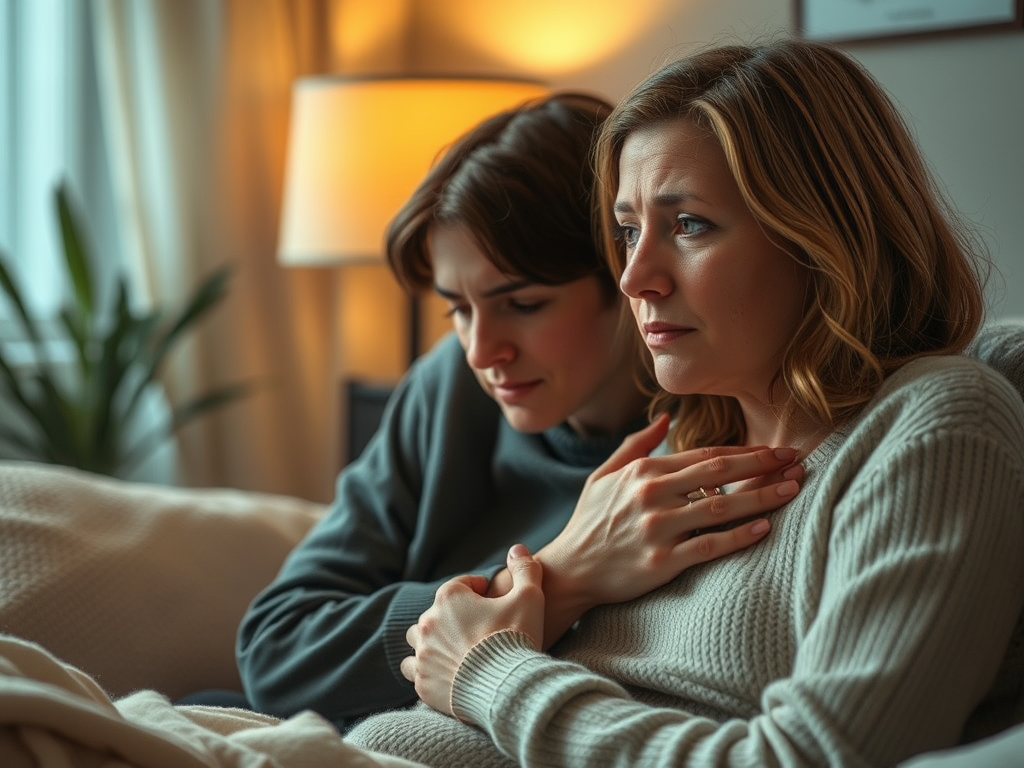
    If you love someone who struggles with anxiety — whether it’s your child, partner, sibling, friend, or coworker — I want to thank you for even clicking on this post. That means you care. And caring is the first step.

    But support isn’t always easy, especially if you don’t fully understand what anxiety feels like from the inside. Sometimes, even well-meaning words can hurt.

    So let’s break it down — here’s what not to say, and what you can say instead.


    What Not to Say to Someone with Anxiety

    These phrases may come from a good place, but they often do more harm than good:

    “Just calm down.”

    If we could, we would. Anxiety isn’t a choice. It’s a physiological and emotional reaction we can’t just shut off like a light switch.

    “It’s all in your head.”

    This one stings. Yes, anxiety starts in the brain, but the symptoms are real. Chest tightness, racing heart, nausea, dizziness — it’s not imaginary.

    “You’re overreacting.”

    This phrase invalidates what the person is feeling. What seems small to you feels huge to us in the moment. It’s not about logic — it’s about panic and fear taking over.

    “You need to stop thinking so much.”

    Easier said than done. People with anxiety often can’t control the flood of thoughts. It’s not about overthinking — it’s about being stuck in survival mode.

    “Other people have it worse.”

    Comparison helps no one. Pain is pain. Dismissing someone’s struggle because others are struggling more doesn’t make anyone feel better — it makes them feel guilty on top of anxious.


    What You Can Say That Helps

    “I’m here for you. What do you need right now?”

    This is gold. It centers the person and gives them space to ask for what would help most in the moment — even if it’s just silence or sitting with them.

    “I know this feels scary, but you’re safe right now.”

    Reassurance is powerful — without dismissing the feeling. This tells us we’re not crazy for feeling scared, but gently reminds us we’re not in danger.

    “Let’s breathe together.”

    Sometimes, we just need someone to guide us through it. Matching breathing is one of the most supportive things you can do.

    “You don’t have to go through this alone.”

    Remind them that you’re in their corner — that they’re not a burden, and that their anxiety doesn’t push you away.


    💜 How to Be a Supportive Ally to Someone With Anxiety

    • Learn their triggers and ask how to avoid them.
    • Offer calm, not solutions. We don’t always want advice — we want presence.
    • Check in regularly, not just when we’re panicking.
    • Don’t make it about you. (Ex: “I don’t know what to do when you’re like this.” Instead, say: “I want to understand.”)
    • Normalize mental health conversations in everyday life.

    🙏 Final Thought: Show Up, Even When It’s Uncomfortable

    Supporting someone with anxiety isn’t about fixing them.
    It’s about sitting beside them while they feel broken — and reminding them they’re not.

    Your words have power.
    Your presence is healing.
    And sometimes, the most helpful thing you can say is simply:

    “You’re not alone. I’m here.”

    — Shanice, Anxiety Momster

    💜 Want to Help a Loved One Even More?

    Grab my free Peace Over Panic Journal + Anxiety Tracker — it’s the perfect gift to share with someone who’s struggling.

    👉 Download it here
    Includes guided check-ins, breathing logs, coping tools, and space to reflect — whether you’re the one experiencing anxiety or someone supporting them.

  • Conquering Anxiety: A Workbook for Empowerment

    Conquering Anxiety: A Workbook for Empowerment

    ⚠️ Trigger Warning: This post discusses mental health and anxiety-related thoughts that may be distressing to some readers. Please proceed with care.

    📌 Disclaimer: I am not a licensed therapist or medical provider. I share personal experiences, tools, and reflections that have helped me manage anxiety. Always consult a professional for medical or mental health guidance.

    Some days, anxiety whispers.
    Other days, it screams.

    Mine has said things like:
    “You’re not a good mom.”
    “You’re falling apart.”
    “Everyone’s tired of you.”

    Sound familiar?
    Yeah… I thought so.

    I created this workbook because anxiety’s voice had taken up too much damn space in my head — and I needed a way to fight back. A way to talk louder. A way to come home to myself.

    That’s where “You vs. Anxiety” was born.

    It starts with just one page — the one I’m sharing with you today.
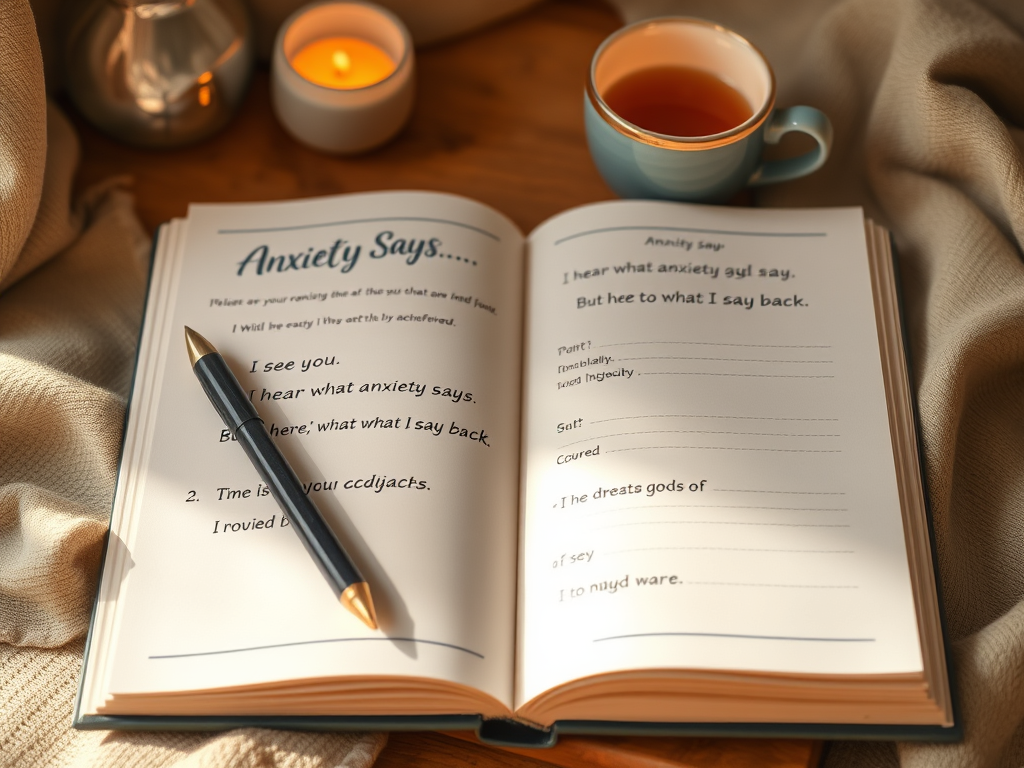
    A page that says: “I see you. I hear what anxiety says. But here’s what I say back.”


    ✨ Preview Page: “Anxiety Says…”

    This isn’t just a worksheet. It’s a shift.
    From fear to truth. From panic to power.

    🖤 View the free preview page here when you subscribe


    You’re not broken. You’re not weak. You’re just someone who’s been fighting battles no one else can see.
    And now — you’re learning how to fight differently.

    The full workbook is coming soon. For now, I hope this first page reminds you of who the hell you are underneath all the noise.

    We’re not aiming for perfect here — just peace.

    Anxiety Momster

  • A Heartfelt Letter to Anxious Moms for Mother’s Day

    A Heartfelt Letter to Anxious Moms for Mother’s Day

    A Peaceful Letter to Anxious Moms on Mother’s Day

    ⚠️ Trigger Warning: This post gently touches on anxiety, motherhood, and emotional vulnerability.
    📌 Disclaimer: I’m not a mental health professional — just a mom sharing her heart.

    Somewhere right now, a mom is holding a cup of cold coffee, mentally making five lists while wiping away tears she hasn’t told anyone about.

    And if that mom is you — this is your reminder:
    💜 You’re doing more than enough.
    💜 You’re already worthy.
    💜 And you deserve peace today, too.


    💐 Today, Let’s Pause

    Mother’s Day isn’t just about perfect pictures or gift bags with fancy bows.
    It’s about moments like:

    • Quiet breathing before the house wakes up
    • Tiny hands hugging you tighter than usual
    • Letting yourself rest without guilt
    • Laughing even though you cried last night

    🌿 You’re Still a Good Mom If…

    • You need breaks
    • You say “not right now”
    • You don’t love every moment
    • You’re healing while parenting
    • You cry and show up anyway

    Anxiety doesn’t erase your love.
    It just makes you more intentional about holding on to the good.


    💌 A Love Letter to Moms Like Us

    To the mom with the full heart and tired spirit —
    I see you.

    You are the safe place.
    The breath of calm during the storm.
    The reason someone feels deeply loved.

    And even on the days when you don’t feel “together”…
    your presence is still a gift.


    🧘‍♀️ A Simple Practice for Today:

    Take 3 deep breaths.
    Hand on your heart.
    Say:

    “I am enough. Right now. Just as I am.”
    “I don’t have to do it all today.”
    “I deserve peace, too.”


    💜 Wishing You a Gentle, Peaceful Mother’s Day

    If today feels joyful — soak it up.
    If today feels hard — breathe through it.
    Either way, you are loved, seen, and appreciated.

    Happy Mother’s Day 💐
    From one anxious mom to another.

    — Shanice, Anxiety Momster

  • Anxiety Isn’t Just in Your Head: Understanding the Physical Symptoms

    Anxiety Isn’t Just in Your Head: Understanding the Physical Symptoms

    Exploring How Anxiety Manifests in the Body

    When people hear “anxiety,” they often think of racing thoughts, worry, or fear. But for many of us, anxiety doesn’t just live in the mind — it takes over the body.

    If you’ve ever felt your heart pound, your stomach twist, or your limbs go numb during a moment of panic, you know exactly what I mean.

    Let’s break down how anxiety shows up physically — and why it’s not “all in your head.”


    🧠 The Mind-Body Connection: Why Anxiety Feels Physical

    Anxiety activates the body’s “fight or flight” response, releasing stress hormones like adrenaline and cortisol. This response prepares you to face danger — but when triggered repeatedly or unnecessarily, it can cause a wide range of physical symptoms.


    ⚠️ Common Physical Symptoms of Anxiety

    According to Healthline and the Mayo Clinic, anxiety can cause:

    • Rapid heartbeat or palpitations
    • Shortness of breath or hyperventilation
    • Chest pain or tightness
    • Dizziness or lightheadedness
    • Muscle tension or aches
    • Sweating or hot flashes
    • Nausea or digestive issues
    • Fatigue or insomnia
    • Tingling or numbness in extremities

    These symptoms are real and can be distressing, often leading individuals to seek medical attention.


    🩺 When to Seek Medical Attention

    While anxiety can cause physical symptoms, it’s important to rule out other medical conditions. Consult a healthcare provider if you experience:

    • Persistent chest pain
    • Severe shortness of breath
    • Fainting spells
    • Unexplained weight loss

    A medical professional can help determine whether these symptoms are related to anxiety or another health issue.


    🧘‍♀️ Managing Physical Symptoms of Anxiety

    Strategies to alleviate physical symptoms include:

    • Deep breathing exercises: Helps regulate heart rate and breathing.
    • Regular physical activity: Reduces stress hormones and muscle tension.
    • Mindfulness and meditation: Calms the nervous system.
    • Adequate sleep: Restores body functions and reduces fatigue.
    • Balanced diet: Supports overall health and energy levels.

    In some cases, therapy or medication may be necessary. Always consult a healthcare provider for personalized advice.


    💬 Final Thoughts

    Anxiety is a complex condition that affects both the mind and body. Recognizing the physical symptoms is a crucial step toward managing them effectively.

    Remember, you’re not alone, and help is available.


    💜 Free Resource: Peace Over Panic Journal + Tracker

    To support your journey, download the Peace Over Panic Journal + Tracker. This free resource includes:

    • Daily check-ins
    • Mood logs
    • Coping strategies

    👉 Download it here


Access calming tools, guided journals, and anxiety support

Get instant access to calming tools, journal prompts, and healing pages created for overwhelmed, overthinking souls — and join the Anxiety Momster newsletter for ongoing support, updates, and mental health resources.

💜 100% free. No pressure. Just peace.

You can unsubscribe anytime. For more details, review our Privacy Policy.