Tag: depression

  • Feeling Like You’re Going Crazy? It Might Just Be Anxiety

    Feeling Like You’re Going Crazy? It Might Just Be Anxiety

    ⚠ Trigger Warning: This post discusses anxiety, intrusive thoughts, and mental health symptoms.
    Disclaimer: I’m not a medical professional. This is based on my personal experience with anxiety. Please seek professional advice if you’re struggling or unsure about your symptoms.

    Have you ever had that moment where your heart is pounding, your mind is racing, and you think:
    “I’m losing my mind. Something is seriously wrong with me.”

    I’ve been there — more times than I can count. And every single time, it felt so real.

    But here’s what I’ve learned through living with anxiety and panic attacks: Feeling like you’re going crazy doesn’t mean you actually are.


    Why Anxiety Can Make You Feel Like You’re Losing Control

    When anxiety spikes, it’s not just an emotional feeling — it’s a physical, full-body alarm system. Your brain senses a threat (even if there isn’t one) and kicks your nervous system into fight-or-flight mode.

    That response can cause:

    • Racing thoughts or intrusive thoughts
    • A sense of unreality or detachment (derealization)
    • Difficulty focusing or speaking
    • Feeling like you’re “not yourself”
    • Worry you might snap, faint, or lose touch with reality

    It’s terrifying, but it’s a symptom — not a sign you’re going insane.


    The Science Behind the ‘I’m Going Crazy’ Feeling

    Anxiety overloads your brain with adrenaline, making thoughts race faster than you can process them. At the same time, your body becomes hyper-aware of every sensation. That’s why your mind starts scanning for “proof” that something is wrong.

    Common triggers for this feeling:

    • Adrenaline surge — speeds up thinking until it feels overwhelming
    • Hyper-awareness — makes you notice every breath, heartbeat, or twitch
    • Fight-or-flight mode — convinces your body it’s in danger when it’s not

    This combination creates the perfect storm for thinking: “I’m losing control.”


    How to Ground Yourself When You Feel This Way

    1. Label it: Say to yourself, “This is anxiety, not danger.”
    2. Engage your senses: Try the 5-4-3-2-1 grounding exercise.
    3. Slow your breathing: Inhale for 4, exhale for 6–8.
    4. Shift your focus: Distract your brain with a neutral activity — folding laundry, watching a light show, playing a game.

    Important Reminder

    You are not crazy. You are having a normal human reaction to an overactive nervous system. If you’ve felt this before and came out the other side — you can do it again.

    The fact that you’re aware of your thoughts means you are still grounded in reality. Anxiety can feel powerful, but it’s not more powerful than you.


    💬 Let’s Talk: Have you ever felt like you were losing your mind when it was actually anxiety? Share your story in the comments — it might help someone else feel less alone.
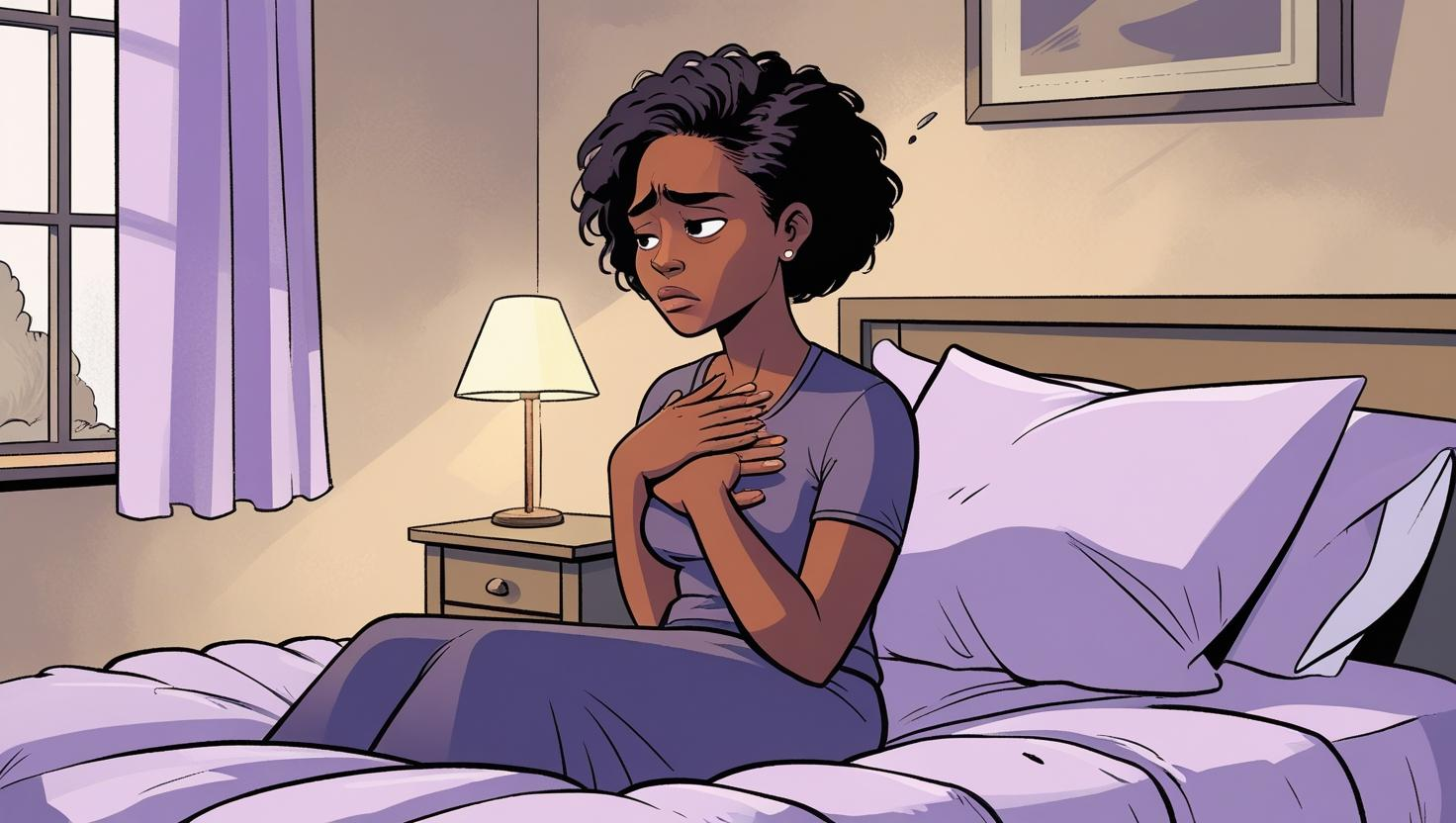
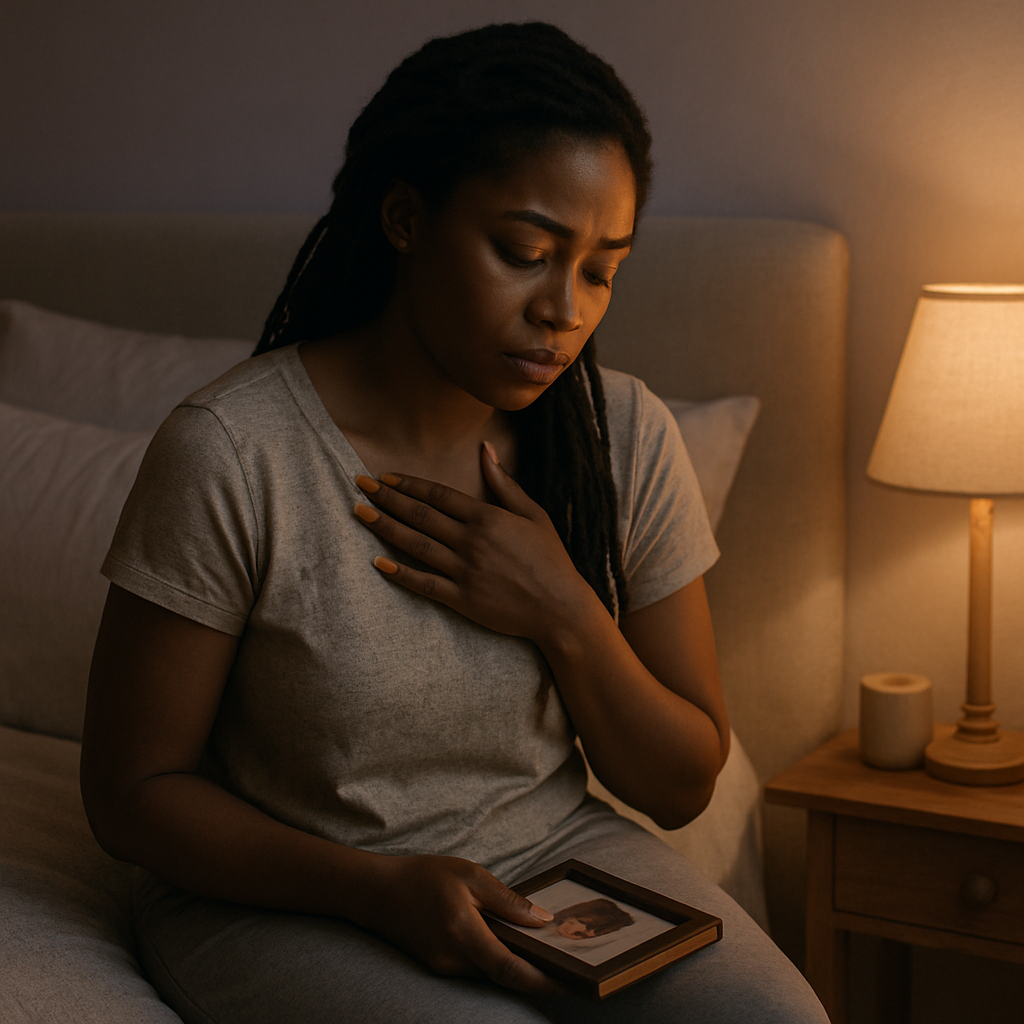
  • Health Anxiety and the Phobias No One Talks About

    Health Anxiety and the Phobias No One Talks About

    Cardiophobia, Agoraphobia, and Thanatophobia — My Unfiltered Truth

    ⚠️ Trigger Warning:

    This post contains personal discussion of health anxiety, panic attacks, fear of death, and medical-related phobias. If you’re currently feeling triggered or overwhelmed, please take a moment before reading. You are not alone, and you are safe.

    📌 Disclaimer:

    I’m not a doctor or therapist. I’m just a woman who lives with intense anxiety and wants to share her truth. This post is for support, honesty, and connection—not diagnosis or medical advice.

    💬 Let’s Talk About the Phobias That Hide Behind Anxiety

    Everyone throws around the word “anxiety” like it’s no big deal—like it’s just nerves or stress. But for some of us? It runs much deeper. It morphs into specific, paralyzing fears that take over our thoughts, our bodies, and our lives.

    I live with three phobias that rule way too much of my day:

    • Cardiophobia (fear of having a heart attack),
    • Agoraphobia (fear of being trapped or losing control in public), and
    • Thanatophobia (fear of dying).

    I don’t talk about this for pity. I talk about it because someone needs to. If you’ve ever felt alone in your fear—like your brain is the loudest one in the room—I hope this post gives you a moment of breath, a moment of recognition, and a moment of peace.


    Cardiophobia: When Every Heartbeat Feels Like a Warning Sign

    This is the one that hits me hardest.

    Cardiophobia means I don’t trust my own body. I’ve felt one chest twinge and convinced myself it was the beginning of the end. I’ve checked my pulse over and over until my fingers were sore. I’ve sat through full-blown panic attacks, shaking, crying, sure I was having a heart attack—even after tests came back clear.

    This phobia doesn’t care about facts.
    It doesn’t care that I’ve been to the ER and lived.
    It only whispers, “What if this time is different?”

    And the worst part? It feels so real. My body responds with real symptoms—tightness, dizziness, numbness—all from a fear that refuses to be quiet.


    Agoraphobia: The World Feels Safer When I Stay Home

    People think agoraphobia means you’re scared of open spaces. That’s not quite it.

    For me, it’s about losing control in public. It’s:

    • Being afraid to stand in a long line because what if I faint?
    • Avoiding crowded places because what if I can’t breathe?
    • Staying home because what if I panic and can’t escape fast enough?

    Agoraphobia shrinks your world. It tells you that safety only exists in certain places—like your home, your car, or wherever your “safe person” is.

    I’ve missed out on so many moments—not because I didn’t want to go, but because I was afraid of what might happen if I went.


    Thanatophobia: The Fear of Death That Never Leaves

    This one is quieter but just as loud in my head.

    Thanatophobia is the fear of dying. Not in a dramatic, horror-movie way. In a slow, sneaky way where every random body sensation turns into a death sentence in my mind.

    A weird ache? Must be an aneurysm.
    Sudden fatigue? Probably something terminal.
    A sharp pain in my jaw or head? The beginning of the end.

    And when I lie in bed at night, that fear sits on my chest like a weight.
    Not just fear of death… but fear of leaving my kids, of the unknown, of not existing. It’s a fear that makes it hard to dream about the future because you’re always stuck wondering if you’ll make it there.


    These Phobias Are Real. And You’re Not the Only One.

    No, I’m not making this up.
    No, I’m not exaggerating.
    No, I’m not “just being dramatic.”

    If you’ve ever lived with any of these:

    • The obsessive Googling
    • The repeated doctor visits just to be told “you’re fine”
    • The guilt of missing out on life because of your fears

    …then you already know: this is real. It’s valid. And it’s hard.

    But it’s also manageable. Not curable overnight, not erased with a mantra—but manageable. With awareness. With community. With patience. And with grace for yourself.


    What’s Helping Me Cope Right Now

    I’m still deep in the healing, but here are a few things that help me manage my phobias day by day:

    • 📝 Reassurance Journaling — tracking past fears that didn’t come true ( I created one just for us).
    • 📲 Limiting health Googling — no more rabbit holes at 3 a.m.
    • Grounding statements — “I’ve felt this before. I survived this before.”
    • 🩺 Honest conversations with doctors — I ask, I clarify, I advocate
    • 🌬 Breathwork + distraction — shifting my focus when fear takes over

    Healing is messy, but naming what I’m going through helps me feel less trapped by it. It turns fear into something I can actually face.


    Final Words: If You Get It, You’re Not Alone

    If you’ve ever felt the panic build over a heartbeat, a store aisle, or a thought of death—I see you. I am you.

    You are not broken.
    You are not too much.
    You are not weak.

    You’re a human being with a sensitive nervous system, trying to survive a world that doesn’t always feel safe. That’s not failure — that’s bravery.

    So let this blog post be your permission to say it out loud:

    “I have phobias. I have fear. But I also have fight.”

    And you’re still here. Still breathing. Still pushing forward. That matters more than anyone knows.

  • The Guilt That Comes With Anxiety — Especially as a Mom

    The Guilt That Comes With Anxiety — Especially as a Mom

    What if I passed my anxiety down to my child?
    A real story for moms who carry the shame no one sees.

    ⚠️ Trigger Warning & Disclaimer:

    This post speaks honestly about anxiety, panic attacks, and emotional guilt as a mother. If you’re in a fragile space, take a breath and come back when you’re ready.
    I’m not a therapist. I’m just a mom who’s been there — and is still there some days. This is not medical advice. It’s a lived experience.

    💭 The Guilt You Don’t Talk About

    Let’s be honest — motherhood comes with guilt even on a good day.
    But when you’re living with anxiety?

    It hits different.

    You start wondering:

    • “Did they see me panic?”
    • “Am I scaring them without meaning to?”
    • “Are they learning fear from me?”
    • “What if I passed this down?”

    It’s not just guilt. It’s grief.
    Grieving the version of you you wish they had.
    Grieving the calm, steady, carefree mom you want so badly to be — but can’t always reach through the fog of anxiety.


    🧠 When Your Mind is Loud, But You Still Have to Parent

    Anxiety doesn’t wait until you have free time.
    It doesn’t care if your toddler needs help or if your teen needs to talk.

    It shows up in the middle of lunch. During bedtime.
    At the store. On a random Tuesday.

    You try to hold it in — to be strong.
    You fake smiles, push through, and whisper “I’m fine” when you’re not.

    But when your child starts to notice…
    When they look at you with worry in their eyes…
    That’s when the guilt gets loud.


    😞 “Did I Give My Baby This Anxiety?”

    I remember the moment my daughter started showing signs of anxiety.

    She was 11. Then 12. Then 13.
    And it was like watching a younger version of me unravel in real time.

    I panicked inside.
    Not because I judged her — but because I recognized it.

    And suddenly, all the thoughts came rushing in:

    • “She saw too much.”
    • “I failed to protect her from me.”
    • “She inherited this because I was too broken to shield her.”

    Then someone said it out loud:

    “She gets it from you.”

    And I broke.


    🖤 But Here’s What I Know Now…

    Yes — maybe she inherited some of my anxiety.
    But she also inherited my awareness, my emotional vocabulary, and my fight.

    She’s learning how to name her feelings.
    How to breathe through them.
    How to talk about what hurts instead of bottling it up.

    Because I do.

    She’s seen me cry, yes.
    But she’s also seen me recover.
    Seen me ground myself. Seen me fight for peace even when it doesn’t come easy.

    And that… is parenting through anxiety with power.


    💬 The Truth About Guilt and Anxiety as a Mom

    You’re not ruining your kids.
    You are teaching them what real, emotional strength looks like.

    You’re showing them:

    • How to get back up after a panic spiral
    • How to ask for help when it’s hard
    • How to feel deeply without shame
    • How to cope without pretending everything’s perfect

    And that kind of parenting?
    That’s generational healing.

    You are not your guilt.
    You are the bridge between silence and safety for your kids.


    🕊️ Give Yourself Grace Today

    If you’ve been carrying guilt for how your anxiety shows up in motherhood, here’s what I want you to know:

    ✨ You are not a bad mom.
    ✨ You are a mom carrying something heavy — and still showing up with love.
    ✨ You are allowed to struggle. That doesn’t make you weak. It makes you human.


    📥 Free Support for Anxious Moms

    If this post hit home, I made some things just for you:
    💜 Download my FREE anxiety tracker + healing journal here
    📖 Read my full story in Living in the Panic — eBook available now

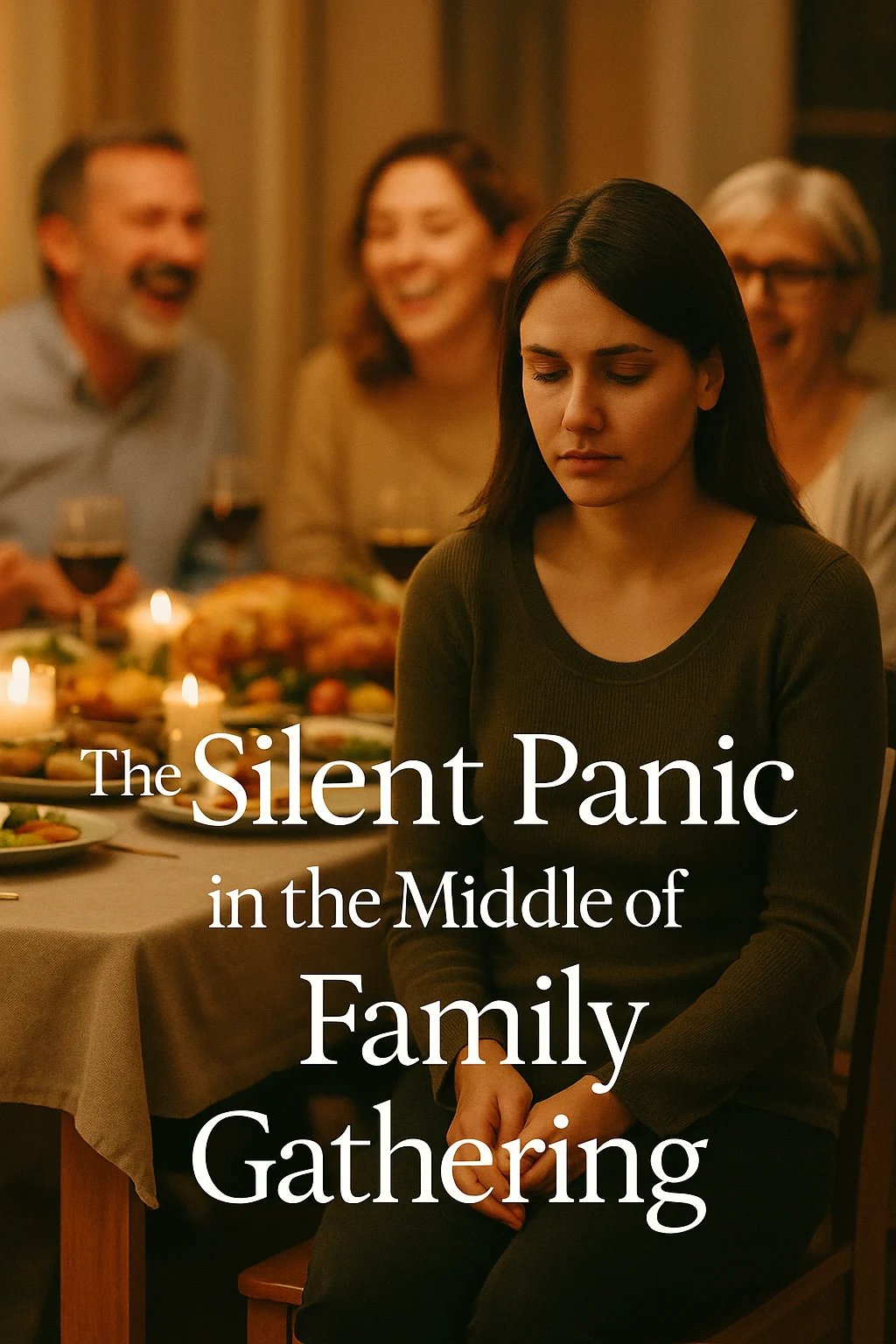
  • The Silent Panic in the Middle of a Family Gathering

    The Silent Panic in the Middle of a Family Gathering

    📍 Trigger Warning & Disclaimer

    Trigger Warning: This post discusses personal experiences with anxiety, panic attacks, and mental health struggles that may be sensitive or triggering for some readers. Please take care of yourself while reading.
    Disclaimer: I’m not a mental health professional. This post is based on my own experiences. Please reach out to a licensed therapist or healthcare provider for professional support.

    You ever been surrounded by people—your people—and feel like you’re barely holding it together?

    Yeah, that’s me.

    I could be sitting there, smiling, nodding, trying to act like I’m present, but inside? I’m a mess. My heart’s racing, my stomach feels like it’s flipping, my skin is hot and clammy, and I’m fighting the urge to bolt out the door.

    But I stay, because I don’t want to ruin the moment. I don’t want to be “the one” who always has something going on. The one who has to leave early. The one who’s not okay.

    I sit there and pretend like everything’s fine, like I’m listening to the conversation when really, I’m trying to remember how to breathe. My mind is racing with thoughts like:

    • “Am I about to pass out?”
    • “Do they notice something’s wrong?”
    • “If I stand up, will I faint?”
    • “What if this is a heart attack?”

    I hate that I feel like this. It makes me feel weak—like I should be able to control this, but I can’t. And the guilt? It eats me alive.

    Because I should be laughing with my family, not silently spiraling in my own head.

    But here’s the truth I’m learning:
    Anxiety doesn’t give a damn where you are. It doesn’t care if it’s a birthday party, a holiday dinner, or a random Tuesday night at home. It shows up when it wants to, and it takes over.

    What I’m also learning is that it’s okay to feel it. It’s okay to step outside for some air, to sit quietly for a moment, to not be the life of the party.

    I’m not broken. I’m not weak. I’m just someone living with anxiety—and doing the best I fucking can.

    And if you’ve ever felt this too, I see you. You’re not alone.

    Let’s promise each other this:
    Next time we’re in the middle of a family gathering, and that silent panic creeps in, we won’t beat ourselves up. We’ll breathe. We’ll let it pass. We’ll do what we need to do—and we’ll remind ourselves that we’re still worthy of love, laughter, and a seat at the table.


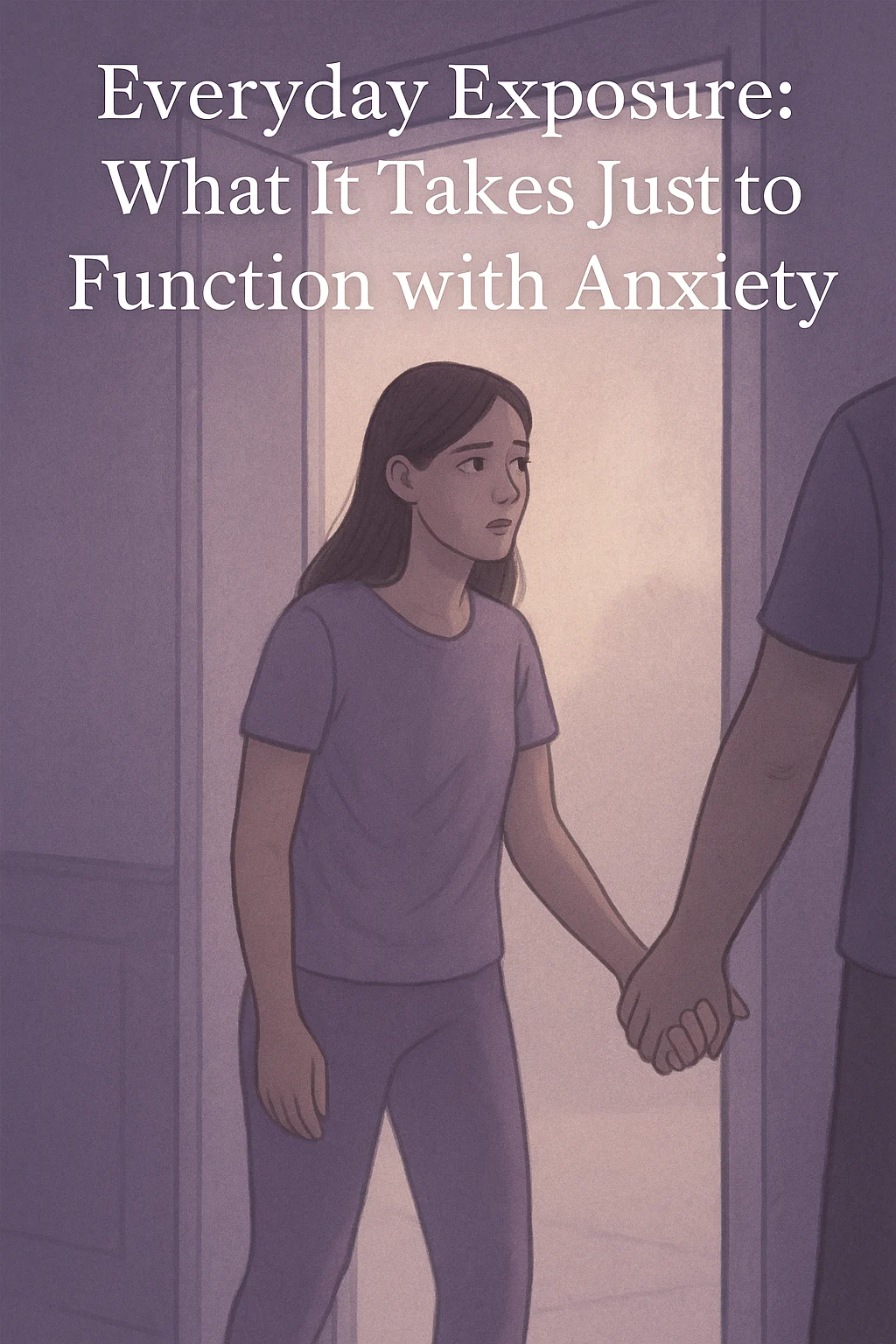
  • Everyday Exposure: What It Takes Just to Function with Anxiety

    Everyday Exposure: What It Takes Just to Function with Anxiety

    Trigger Warning: This post discusses panic attacks, agoraphobia, and exposure struggles.
    Disclaimer: This is based on personal experience. It is not medical advice.


    You’d be surprised what counts as “brave” when you live with anxiety.
    For some people, exposure therapy means skydiving or confronting trauma.

    For me?
    It’s stepping outside.
    It’s getting in the shower.
    It’s riding in a car.
    It’s sitting in a waiting room.

    These aren’t simple daily tasks — they’re triggers. And I face them over and over again just to live.


    🚿 Showers Aren’t Simple

    Most people shower to feel refreshed.
    Me? I sometimes panic in the water.
    Something about the echo, the steam, the stillness — it turns into a trap for my thoughts.

    So my husband showers with me.
    Not because I can’t shower alone… but because it makes me feel safer.
    Because being alone with my body and my breath can send me spiraling.


    🚗 Driving Isn’t Freedom — It’s Fear

    I don’t drive.
    I panic if I’m in a car alone.
    Not because I don’t know how — but because anxiety convinces me I won’t make it.

    My husband drives me everywhere.
    To appointments. To stores. Even just to get food.
    He goes into the buildings with me. Waits in the car if needed.
    Because I still haven’t fully learned how to face the outside world alone.

    Not yet.


    🧠 This Is Exposure Therapy — Just My Version

    I’m not doing grand public speaking events or therapy role-plays.
    I’m trying to go outside without shaking.
    To ride in the car without checking my pulse.
    To exist in the world even when everything inside says “danger.”

    So I prepare.

    • I bring water
    • I bring a calming object or oil
    • I wear soft clothes
    • I breathe slowly
    • I keep my husband nearby
    • I repeat: “I’m safe. This is just a feeling.”

    💜 What I’m Working Toward

    I want independence.
    I want to go to appointments without a shadow.
    I want to feel safe in the world again.

    But right now?
    The fact that I still try every day — even in small ways — means something.

    • If I ride with him and not alone? Still brave.
    • If I leave the house at all? Still healing.
    • If I panic but keep going? Still winning.

    🖤 If This Is You Too…

    Please know: You are not weak.
    You are not lazy.
    You are not “too dependent.”

    You are surviving something most people wouldn’t understand.
    And you’re doing it one breath, one ride, one shower at a time.

  • Anxiety Isn’t Just in Your Head: Understanding the Physical Symptoms

    Anxiety Isn’t Just in Your Head: Understanding the Physical Symptoms

    Exploring How Anxiety Manifests in the Body

    When people hear “anxiety,” they often think of racing thoughts, worry, or fear. But for many of us, anxiety doesn’t just live in the mind — it takes over the body.

    If you’ve ever felt your heart pound, your stomach twist, or your limbs go numb during a moment of panic, you know exactly what I mean.

    Let’s break down how anxiety shows up physically — and why it’s not “all in your head.”


    🧠 The Mind-Body Connection: Why Anxiety Feels Physical

    Anxiety activates the body’s “fight or flight” response, releasing stress hormones like adrenaline and cortisol. This response prepares you to face danger — but when triggered repeatedly or unnecessarily, it can cause a wide range of physical symptoms.


    ⚠️ Common Physical Symptoms of Anxiety

    According to Healthline and the Mayo Clinic, anxiety can cause:

    • Rapid heartbeat or palpitations
    • Shortness of breath or hyperventilation
    • Chest pain or tightness
    • Dizziness or lightheadedness
    • Muscle tension or aches
    • Sweating or hot flashes
    • Nausea or digestive issues
    • Fatigue or insomnia
    • Tingling or numbness in extremities

    These symptoms are real and can be distressing, often leading individuals to seek medical attention.


    🩺 When to Seek Medical Attention

    While anxiety can cause physical symptoms, it’s important to rule out other medical conditions. Consult a healthcare provider if you experience:

    • Persistent chest pain
    • Severe shortness of breath
    • Fainting spells
    • Unexplained weight loss

    A medical professional can help determine whether these symptoms are related to anxiety or another health issue.


    🧘‍♀️ Managing Physical Symptoms of Anxiety

    Strategies to alleviate physical symptoms include:

    • Deep breathing exercises: Helps regulate heart rate and breathing.
    • Regular physical activity: Reduces stress hormones and muscle tension.
    • Mindfulness and meditation: Calms the nervous system.
    • Adequate sleep: Restores body functions and reduces fatigue.
    • Balanced diet: Supports overall health and energy levels.

    In some cases, therapy or medication may be necessary. Always consult a healthcare provider for personalized advice.


    💬 Final Thoughts

    Anxiety is a complex condition that affects both the mind and body. Recognizing the physical symptoms is a crucial step toward managing them effectively.

    Remember, you’re not alone, and help is available.


    💜 Free Resource: Peace Over Panic Journal + Tracker

    To support your journey, download the Peace Over Panic Journal + Tracker. This free resource includes:

    • Daily check-ins
    • Mood logs
    • Coping strategies

    👉 Download it here


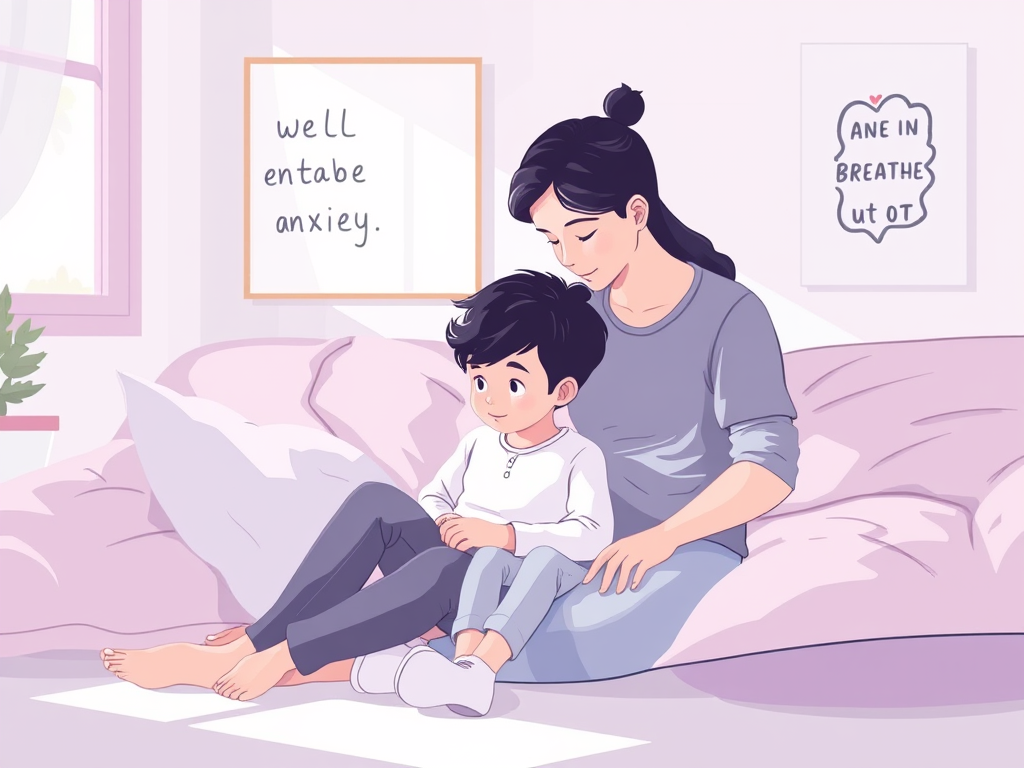
  • Breaking the Stigma: How I Talk to My Kids About Anxiety and Mental Health

    Breaking the Stigma: How I Talk to My Kids About Anxiety and Mental Health

    Anxiety isn’t a quiet thing in our home.
    It’s not hidden behind closed doors or swept under the rug.
    We talk about mental health openly — because in this family, it’s not taboo. It’s real. It’s personal.

    As a mom who lives with severe anxiety and panic attacks, I made a promise to myself: my children would never feel ashamed or confused about what they’re feeling inside. So we talk. Even when it’s hard. Especially when it’s hard.

    Supporting a Child Through Panic Attacks

    My 13-year-old experiences panic attacks that stop her in her tracks — chest tightness, racing thoughts, tears, and fear that something is terribly wrong. I’ve seen her clutch her chest and cry, “I can’t breathe.”

    I’ve been there too.

    In those moments, I don’t try to fix her. I sit with her.
    We breathe together:

    • Inhale for 4 seconds
    • Hold for 4 seconds
    • Exhale for 6 seconds

    Over and over, until the panic eases.

    This is how we manage anxiety as a family. This is what it looks like — connection, calm, and compassion.

    Teaching Kids How to Cope with Anxiety

    We’re not just helping our teen — even our youngest is learning.

    My 4-year-old doesn’t fully understand the word “anxiety,” but she knows how to breathe in and out when someone’s upset. She’s seen it in action. Now, she’ll walk up and say, “Breathe with me,” to her older siblings when they’re frustrated.

    She’s learning early what most of us didn’t learn until adulthood —
    your emotions matter, and you’re not alone.

    Why Talking About Mental Health Matters in Parenting

    Breaking the mental health stigma starts at home. In our house, we use words like:

    • Triggered
    • Overwhelmed
    • Calm down space
    • Grounding
    • Anxiety attack

    We don’t say “stop crying.” We don’t say “you’re being dramatic.”
    We validate, support, and walk through it together.

    How to Start Mental Health Conversations With Your Kids

    If you’re not sure where to begin, here’s what’s helped us:

    • Be honest — Let them know it’s okay to feel anxious or scared.
    • Share your own experience (in age-appropriate ways).
    • Practice breathing exercises as a family — even when no one is anxious.
    • Create a calm corner or safe space where kids can retreat and reset.
    • Use children’s books or videos to explain what anxiety feels like.
    • Normalize mental health days the same way we do sick days.

    We Get Through Anxiety Together — One Breath at a Time

    I won’t pretend it’s easy. Some days I feel like I’m barely hanging on. But even in the mess, I know this matters. Talking about anxiety with my kids has brought us closer. It’s helped them feel seen. And it’s helped me heal in ways I never expected.

    In this home, we breathe together. We cry together.
    And we show each other — you don’t have to go through anxiety alone.

    💬 Let’s Talk About It… Together

    If you’re a parent navigating anxiety — yours, your child’s, or both — you are not alone. This is hard, but you’re doing the best you can. And that is enough.

    ✨ Want extra support and free calming tools?
    Download my free Peace Over Panic Digital Journal and Anxiety Tracker — created from our real life, with love, for moms just like you.

    👉 Grab your free copy here
    ✨ Includes daily check-ins, weekly reflections, and breathing tools for tough moments.

    And if this post resonated with you, drop a comment, share it with a friend, or just breathe with me in spirit.

    We’re breaking the stigma, one breath and one honest conversation at a time.

    With love,
    Shanice – Anxiety Momster

  • Dear Anxiety: Even on My Hardest Days, I Show Up

    Dear Anxiety,

    You try to tell me that bad days erase all the progress I’ve made.
    That if I have one breakdown, one panic attack, one wave of fear — I’m back at square one.

    But you’re wrong.

    Even on my hardest days,
    I show up.

    Even when my chest is tight and my mind is racing,
    I still breathe.
    I still move.
    I still live.

    It might not look pretty.
    It might not look brave.
    Sometimes it’s just getting dressed.
    Sometimes it’s just answering a text.
    Sometimes it’s just making it through another hour.

    But it’s showing up —
    and that’s enough.

    You don’t get to define strength by how loud or visible it is.
    You don’t get to decide what counts.

    I decide.
    And every shaky breath, every tear-streaked smile, every tiny choice to keep going counts.

    You can make the days hard.
    You can make the nights long.
    But you cannot make me disappear.

    I am here.
    Even when it’s hard.
    Especially when it’s hard.

    Shanice


  • Dear Anxiety: I Am Stronger Than You Think

    Dear Anxiety,

    You’ve seen me at my lowest.
    You’ve watched me collapse under the weight of fear.
    You’ve seen the nights I couldn’t sleep, the mornings I couldn’t move, the days I thought I couldn’t survive.

    And yet — here I am.

    Still breathing.
    Still fighting.
    Still standing.

    You underestimate me.
    You think that because I feel fear, I am fear.
    You think that because I cry, I am broken.
    You think that because I stumble, I’ll never rise.

    But every tear, every panic attack, every hard moment I’ve survived has made me stronger.

    Not because they didn’t hurt —
    but because they did, and I’m still here anyway.

    I am not weak because of you.
    I am stronger because of everything you’ve thrown at me.

    I have scars, yes.
    But scars mean healing.
    Scars mean survival.
    Scars mean I fought through it.

    And I will keep fighting.
    Not because it’s easy.
    But because I know I deserve the life you keep trying to steal from me.

    I am stronger than you think, Anxiety.
    And I’m just getting started.

    Shanice


    These are my real, raw letters to my anxiety.
    Some days, it wins. Some days, I fight back.
    Either way, these words are proof that I’m still here, still breathing, still trying.
    If you’re fighting too, you’re not alone. 🖤

  • Dear Anxiety: Today, You Won — But I’m Still Here

    Dear Anxiety,

    Today, you won.
    You pulled me under before I even had a chance to catch my breath.
    You tightened your grip around my chest and flooded my mind with fear.
    You made every small task feel impossible, every breath feel heavy.

    Today, you convinced me I wasn’t safe, even though nothing around me had changed.
    You made my own body feel foreign, threatening, fragile.
    You tricked me into doubting myself — again.

    And you know what?
    I’m not going to pretend you didn’t get the better of me today.
    You did.

    I canceled plans.
    I cried in the bathroom.
    I second-guessed every heartbeat, every thought, every moment.

    But here’s what you didn’t take:
    I’m still here.

    You won the battle today,
    but you didn’t break me.
    You didn’t erase me.
    You didn’t take away the part of me that’s stubborn enough to get back up tomorrow.

    You are loud, Anxiety.
    You are heavy.
    You are relentless.

    But so am I.

    One bad day doesn’t define me.
    One hard moment doesn’t erase all the progress I’ve made.
    One lost battle doesn’t mean I’ve lost the war.

    I’m still breathing.
    I’m still standing.
    I’m still fighting.

    You may have won today.
    But I’m not done.

    Not even close.

    Shanice


    These are my real, raw letters to my anxiety.
    Some days, it wins. Some days, I fight back.
    Either way, these words are proof that I’m still here, still breathing, still trying.
    If you’re fighting too, you’re not alone. 🖤

Access calming tools, guided journals, and anxiety support

Get instant access to calming tools, journal prompts, and healing pages created for overwhelmed, overthinking souls — and join the Anxiety Momster newsletter for ongoing support, updates, and mental health resources.

💜 100% free. No pressure. Just peace.

You can unsubscribe anytime. For more details, review our Privacy Policy.